

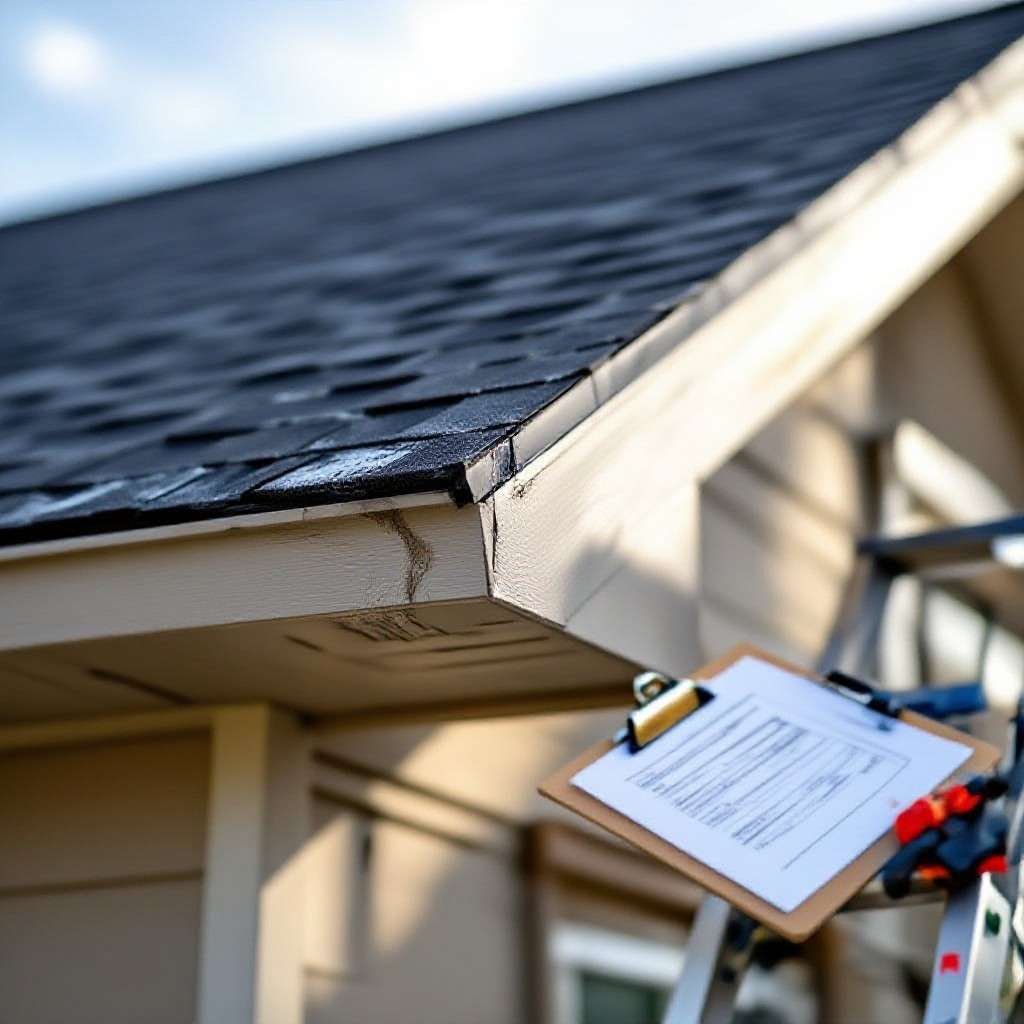
Over time, your home’s soffit and fascia tirelessly protect against the elements. You might not always see the damage, but water ingress through compromised soffits and fascia can silently wreak havoc in your attic. This checklist helps you identify and prevent this insidious problem before it escalates into costly structural repairs.
Right, so I was chatting to my mate Dave the other day, and he was proper miffed. He’d just had a rotten bit of his roof fixed, and the builder pointed out that the soffits and fascias were a right state – all because of a tiny crack he’d never noticed. It just goes to show how those little things can cause big, silent problems.
Key Takeaways:
- Regular inspections of your soffits and fascias are crucial for preventing hidden water damage; even small issues can allow moisture to penetrate your attic space without immediate visible signs inside your home.
- Proper ventilation, alongside well-maintained soffits and fascias, plays a significant role in attic health, as it helps regulate temperature and humidity, thereby reducing the risk of condensation and mould growth.
- Addressing minor damage to your roofline components promptly saves a lot of money and hassle in the long run, stopping small repairs from escalating into extensive and costly structural water damage.
The Soffit and Fascia Checklist: How to Prevent ‘Silent’ Water Damage in Your Attic
What exactly are soffits and fascia anyway?
Ever wondered about those bits under your roofline? Soffits are the boards running horizontally, closing the gap beneath your eaves. Fascia, on the other hand, are the vertical boards attached to the ends of your rafters, providing a finished look and supporting your gutters. They’re both pretty important, actually.
The real deal on those boards under your roof
So, you’ve got these boards – the fascia and soffit. The fascia is the trim board your gutters attach to, while the soffit is the panel covering the underside of your roof’s overhang. Together, they create a protective barrier, stopping critters and direct water entry into your attic.
Why I think they’re the unsung heroes of your home
Honestly, these humble components are the silent guardians of your home. They don’t just look neat; they’re your first line of defence against all sorts of trouble. Think of them as the bouncers keeping the riff-raff out of your attic.
You see, without properly maintained soffits and fascia, your attic becomes an open invitation for problems. We’re talking about everything from nesting birds and squirrels – who just love a cosy, dark space – to, more dangerously, uncontrolled water penetration. This can lead to wood rot, mould growth, and even compromise your roof’s structural integrity over time. So, yeah, they’re not just for show; they’re absolutely crucial for keeping your home dry and sound.
Why silent water damage is actually a huge nightmare
You might think a bit of water’s no biggie, right? Wrong. This insidious damage works behind the scenes, turning your attic into a costly disaster zone long before you ever spot a drip. It’s a truly silent destroyer, eating away at your home’s structure and your peace of mind.
How a tiny leak turns into a big mess
A small, persistent drip from your soffit or fascia can slowly saturate insulation and timber. Over time, that tiny trickle becomes a structural threat, weakening beams and ceilings without any obvious signs until it’s too late.
That sneaky mold you won’t see coming
You won’t smell it, you won’t see it – until it’s a massive problem. This hidden water damage creates the perfect breeding ground for black mold, which can spread rapidly, causing serious health issues for your family.
Black mold, often unseen in dark, damp attic spaces, is more than just unsightly; it’s a significant health hazard. Spores can become airborne, leading to respiratory problems, allergies, and even more severe illnesses for anyone living in the home. Getting rid of it isn’t a simple DIY job either; remediation can be incredibly expensive and disruptive, involving specialist teams and often requiring you to vacate your home for a period. So, what started as a small, unnoticed leak suddenly morphs into a massive, very visible, and deeply unpleasant problem that impacts your health and your wallet, big time.
Is your attic even breathing right?
You might not realise it, but your attic needs to breathe just like you do. A poorly ventilated attic is a ticking time bomb for your home, creating a breeding ground for problems you often won’t spot until it’s too late. Are you sure yours isn’t holding its breath?
The truth about airflow and why it matters
Good airflow isn’t just a nice-to-have; it’s absolutely fundamental for keeping your attic healthy. Proper ventilation helps regulate temperature and moisture, preventing a whole host of nasty issues from taking hold up there. It’s really that simple.
Here’s what happens when things get stuffy
When air can’t circulate freely, you’re basically creating a humid, stagnant environment. This lack of movement allows moisture to build up, which is incredibly dangerous for your home’s structure. You don’t want that, do you?
Imagine your attic as a sauna – but one where the moisture just sits there, unable to escape. That trapped humidity is going to find somewhere to go, and it often settles on cooler surfaces, leading to condensation. This condensation can then soak into your roof timbers, insulation, and even your plasterboard ceilings below, slowly but surely causing structural decay and creating the perfect conditions for mould and mildew growth. And let’s not forget the heat! Without proper ventilation, your attic gets scorching in summer, which can make your air conditioning work overtime and even damage your roof shingles. It’s a chain reaction of bad news, all starting with a bit of stuffiness.
Simple fixes that’ll save you a ton of cash
You can often stop little problems from becoming enormous, expensive headaches with just a bit of effort. Catching issues early means avoiding costly structural damage down the line, saving you a small fortune and a lot of stress, honestly.
Cleaning out the gunk so water can flow
Is water just sitting there, not draining away properly? You need to sort out those blocked gutters and downpipes, pronto. Clearing out leaves and debris ensures water flows freely, stopping it from backing up and causing serious damage to your soffits and fascia.
When it’s time to just swap out the old wood
Have you noticed any areas where the wood is looking a bit rough? Sometimes, despite your best efforts, sections of your soffit or fascia might be too far gone. You’ll need to replace these rotted or damaged pieces to prevent wider issues.
Rotten timber is like an open invitation for water to seep into your attic, causing mould, mildew, and structural decay. Ignoring it won’t make it disappear, will it? Replacing individual boards or sections isn’t as daunting or expensive as a full overhaul, especially if you tackle it promptly. You’re effectively putting a stop to water’s direct pathway into your home, protecting everything inside. Think of it as preventative surgery for your house – a small operation now avoids a major one later, keeping your home safe and sound.
Should you DIY this or call in the pros?
Hundreds of homeowners consider tackling soffit and fascia repairs themselves, but this isn’t always the wisest choice. You’re probably wondering if you should get stuck in or if it’s a job for the experts, right? Making the right call here could save you a fortune – and a lot of headaches – down the line.
My take on what’s safe for a weekend project
Small, localised paint touch-ups or replacing a single, easily accessible, *unrotted* fascia board might be manageable for a confident DIYer. You’ll need the right tools and a steady head for heights, mind. Just be sure you’re not masking a bigger problem.
Signs it’s seriously time to get help
Rot that extends beyond a single board, widespread mould, or any structural instability in your roofline are all screaming for professional attention. If you’re seeing sagging or major gaps, it’s definitely not a DIY job.
Imagine finding a damp patch in your attic, only to discover it’s been quietly creeping in for months because of a knackered soffit. That’s a classic example of when you need to call in the cavalry. If you’re up on a ladder and things just don’t feel right, or you spot extensive wood rot, you’re looking at a job that requires professional scaffolding, specialised tools, and experience to ensure the repair is watertight and safe. Trying to bodge it could end up costing you a lot more in the long run, especially if you compromise your roof’s integrity. It’s really about protecting your biggest asset, isn’t it?
Summing up
Ultimately, you can prevent insidious attic water damage. Regularly inspecting your soffits and fascias protects your home from costly repairs. You are safeguarding your investment, ensuring your home remains dry and structurally sound.
FAQ
Q: How does the soffit and fascia protect my attic from water damage, and what are the early signs of a problem?
A: Your soffit and fascia are like your attic’s first line of defence against the elements, you know? The fascia is that board running along the edge of your roof, directly supporting your gutters. The soffit, on the other hand, is the underside of your roof’s overhang – it’s usually ventilated, which is super important for airflow. Together, they stop rain, snow, and even pests from getting into your attic. If they’re not doing their job properly, water can seep in, and that’s when you start getting issues.
Early signs of trouble aren’t always obvious, but you can definitely spot them if you know what you’re looking for. Keep an eye out for peeling paint or discolouration on the fascia boards – that’s a classic sign of water getting behind them. You might also see sagging or warped sections, which means the wood’s been exposed to moisture for a while. Inside your attic, water stains on the ceiling joists or insulation, a musty smell, or even visible mould are huge red flags. Don’t ignore those, they’re your attic trying to tell you something’s wrong.
Q: What are some practical steps I can take to regularly inspect my soffit and fascia for potential ‘silent’ water damage?
A: Right, so you want to be proactive about this, don’t you? The best way to catch ‘silent’ water damage before it becomes a nightmare is to do regular, thorough inspections. You don’t need fancy equipment, just a bit of time and a good pair of eyes. Start by walking around your house after a heavy rain shower. Look up at the soffit and fascia from different angles. Are there any drips, streaks, or persistent wet spots where there shouldn’t be?
Then, grab a ladder – safely, of course – and get a bit closer. Check for any cracks, holes, or gaps in the materials. Are the paint or finishes flaking off? Is the wood soft to the touch when you gently press it? If it feels spongy, that’s rot, and it means water’s been having its way there. Also, give your gutters a good look. If they’re clogged, water can overflow and run directly down your fascia, causing all sorts of problems. Clear gutters are happy gutters, and they keep your soffit and fascia in much better nick.
Q: If I discover damage to my soffit or fascia, what’s the typical process for repair or replacement, and can I do it myself?
A: Finding damage isn’t the end of the world, but it definitely means you need to act. The repair process really depends on how bad the damage is, you know? If it’s just a small crack or a bit of peeling paint, you might be able to patch it up yourself. You’d clean the area, fill any gaps with exterior caulk, and then repaint it with a good quality exterior paint. That’s usually for very minor, surface-level stuff.
But if you’re looking at warped boards, widespread rot, or significant sagging, then you’re probably talking about replacement. This can be a bit more involved, especially if it’s the fascia, because it’s holding up your gutters and possibly part of your roof edge. While a DIY enthusiast might tackle small sections of soffit replacement, especially if it’s a simple vinyl or PVC panel, fascia replacement or extensive soffit repair is often best left to professionals. They’ve got the right tools, the safety gear, and the experience to make sure it’s done correctly and securely, preventing those ‘silent’ water issues from creeping back in. It’s worth getting a few quotes, honestly, just to see what you’re up against.