

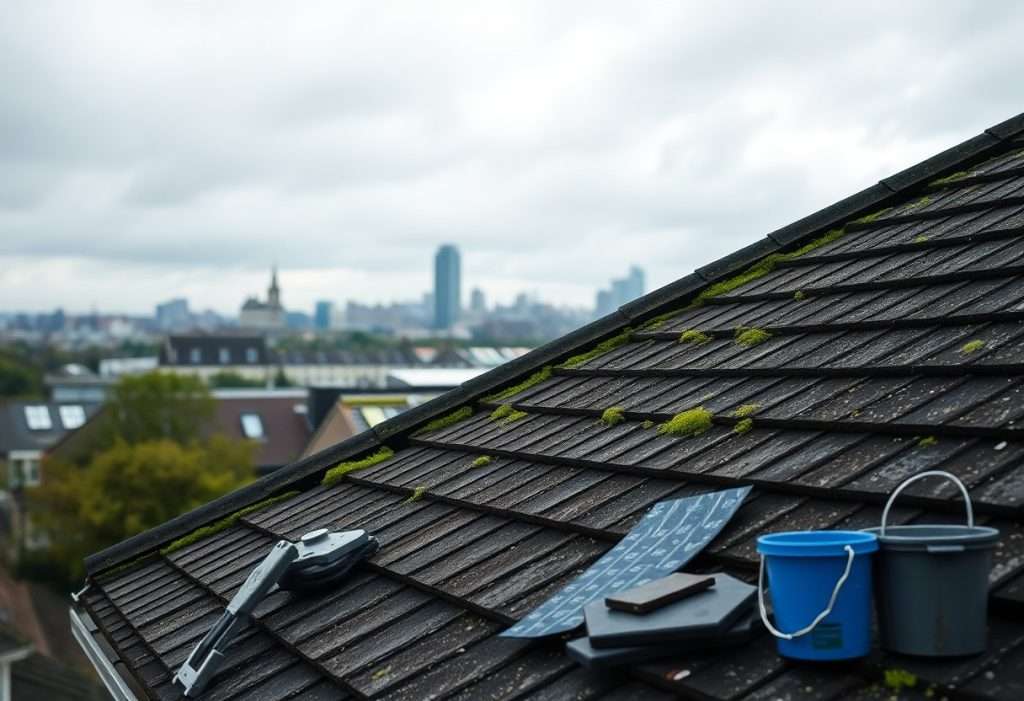
There’s a significant relationship between the Cardiff climate and the condition of your roof. The city experiences a mix of heavy rainfall and strong winds, which can lead to damage, such as leaks or lifted tiles. Furthermore, variations in temperature can cause materials to expand and contract, affecting your roof’s integrity. To protect your home, it’s important that you regularly assess your roof, invest in quality materials, and possibly consider professional inspections to address potential issues before they escalate.
Key Takeaways:
- The climate in Cardiff can lead to increased wear and tear on roofing materials, necessitating regular inspections and maintenance.
- Incorporating durable, weather-resistant materials can help extend the lifespan of your roof against local weather conditions.
- Proper drainage systems are important to prevent water accumulation, which can cause leaks and structural damage.
Understanding Cardiff’s Climate
Your roof faces unique challenges due to Cardiff’s distinctive climate, characterised by its maritime influence and relatively mild temperatures. The frequent rainfall and high humidity levels create conditions that can accelerate roof deterioration. Knowledge of these climatic factors is vital for maintaining the integrity of your roofing systems.
Weather Patterns and Trends
Cardiff experiences a temperate maritime climate, with an average annual rainfall of around 1,200 millimetres. This consistent precipitation not only contributes to the formation of moss and algae but also necessitates robust waterproofing measures to protect your roof from potential leaks and structural issues.
Seasonal Variations and Effects on Roofing
Seasonal changes in Cardiff can significantly impact your roof’s lifespan. The wet winters combined with mild summers create an environment where moss growth is rampant, especially in shaded areas. You may find that the summer heat can also lead to thermal expansion and contraction, jeopardising the integrity of your roofing materials.
During winter, the combination of constant moisture and cooler temperatures can lead to ice dams forming at the eaves, which can cause significant leakage if not properly addressed. Conversely, summer months increase thermal stress, particularly on roof surfaces exposed to direct sunlight. Regular inspections during seasonal transitions are imperative to identify issues like cracked tiles or loose flashes before they turn into costly repairs. Adopting preventative strategies, such as installing ventilation systems, can mitigate these effects, ensuring your roof remains structurally sound year-round.
Common Roofing Materials in Cardiff
Your choice of roofing materials in Cardiff can significantly influence the performance of your roof against the elements. Popular options include slate, tile, and various types of metal. Each material has its strengths and weaknesses, impacting both durability and aesthetic appeal, making it imperative to select the right one based on your specific needs and local weather conditions.
Pros and Cons of Different Materials
Table of Pros and Cons
| Material | Pros | Cons |
|---|---|---|
| Slate | Durable, fire-resistant | Expensive, heavy |
| Tile | Long-lasting, energy-efficient | Fragile, high installation cost |
| Metal | Lightweight, recyclable | Can be noisy, prone to dents |
| Asphalt Shingles | Cost-effective, easy to install | Shorter lifespan, less energy-efficient |
| Flat Roof | Modern, easy maintenance | Poor drainage, potential for leaks |
Longevity and Maintenance in Varying Conditions
The longevity of roofing materials under Cardiff’s climate hinges on their ability to withstand rain and wind. Regular maintenance is imperative; for instance, ensure gutters are clear to prevent blockages and leaks. Some materials, like slate, endure better with minimal upkeep, while others may require more frequent checks to ensure they remain intact against Cardiff’s weather challenges.
In Cardiff, different roofing materials exhibit varying resilience and durability based on local conditions. For example, slate might last over a century with proper care, while asphalt shingles typically only last 20-30 years. Regular inspections following storms or heavy rainfall will help you identify issues such as missing tiles or rusting metal, allowing for timely repairs. Maintaining your roof not only extends its life but protects your property from water damage and structural concerns, making it an imperative aspect of responsible home ownership.
Impact of Rain and Moisture
The frequent rain and high humidity typical of Cardiff create a challenging environment for your roof. Continuous exposure to moisture can lead to various issues, particularly if your roofing materials are not suited for such conditions. It’s imperative to recognise the significance of maintaining your roof to combat the effects of persistent dampness and ensure its longevity.
Risks of Water Damage
Your roof is susceptible to a range of water damage risks due to Cardiff’s wet climate. Prolonged exposure to moisture can lead to leaks, mould growth, and decay of roofing materials. If left unchecked, these issues can escalate, compromising the structural integrity of your home and resulting in costly repairs.
Preventative Measures and Solutions
Implementing preventative measures is vital in safeguarding your roof against the effects of rain and moisture. Regular inspections and timely maintenance help you identify potential problems before they worsen. Investing in quality roofing materials designed for high moisture resistance can significantly enhance your roof’s longevity and protect against water infiltration.
Additionally, consider installing proper drainage systems and ensuring that gutters are free from obstructions. Regularly clearing debris from your roof and checking for any signs of deterioration are imperative steps. Monitoring for moss or algae growth can also prevent long-term damage. If you notice any issues, prompt action is important to mitigate risks, saving you time and money in the future.
The Role of Solar Exposure
In Cardiff, the level of solar exposure your roof receives can significantly affect its longevity and performance. Over time, prolonged sunlight can cause roofing materials to degrade, leading to potential leaks and water ingress. Your roof’s colour and material play a vital role in how much heat it absorbs, influencing the overall temperature of your home. You may find that selecting lighter-coloured materials can help mitigate some of these effects and enhance your roof’s lifespan.
Effects of Sunlight on Roofs
Sunlight can lead to accelerated deterioration of roofing materials such as asphalt shingles and tiles. UV rays break down the structural integrity of these materials, resulting in curling, cracking, and fading. This degradation not only shortens your roof’s lifespan but can also increase the likelihood of leaks, demanding more frequent repairs. You should consider the orientation and pitch of your roof to understand how much direct sun exposure it commonly receives.
Energy Efficiency Considerations
Your roof’s construction influences energy efficiency significantly, especially under Cardiff’s varying climatic conditions. Certain materials can reflect sunlight and reduce heat absorption, ultimately helping you maintain a comfortable indoor temperature. Effective insulation paired with reflective roofing can lower energy bills and enhance overall utility performance.
Investing in energy-efficient roofing materials can yield long-term benefits for your home. For instance, cool roofing systems can reduce roof surface temperatures by as much as 20 to 30 degrees Celsius, thereby decreasing the need for air conditioning during warmer months. Additionally, a well-insulated roof not only keeps your living spaces comfortable but can also save you up to 15% on your energy bills annually. Being proactive about solar exposure and energy efficiency can result in significant savings and improved roof longevity.
Addressing Temperature Extremes
The fluctuating temperatures in Cardiff can severely affect your roof’s integrity, making it necessary to mitigate these impacts. By adopting effective insulation and ventilation strategies, you can enhance your roof’s resilience. This will not only help control indoor climate but also prolong the lifespan of roofing materials. For detailed insights, see the Impact of Climate on Roofing Materials: How Different.
Insulation and Ventilation Strategies
| Strategy | Benefit |
|---|---|
| Proper Insulation | Reduces heat loss, keeping your home comfortable. |
| Effective Ventilation | Prevents moisture build-up, reducing the risk of mould. |
Insulation and Ventilation Strategies
Incorporating adequate insulation can significantly reduce heat loss, maintaining your home’s comfort during chillier months. Coupled with effective ventilation, which allows excess moisture to escape, you reduce the risk of damaging mould growth and roof deterioration. Both approaches are critical for ensuring your roof withstands Cardiff’s climate fluctuations.
Selecting Appropriate Materials
Choosing the right materials for your roof is paramount in combating temperature extremes. Materials that can adapt to sudden changes and provide superior durability and insulation properties will offer the best protection against Cardiff’s diverse weather conditions.
Selecting materials like *breathable membranes* and *high-performance roofing tiles* is necessary for maintaining structural integrity. Roofs made of materials such as slate or metal are known for their longevity and resilience against wear from temperature changes. It’s beneficial to consult with a professional to assess your local climate and guide you on selecting materials that complement your specific roofing needs.
Homeowner Responsibilities
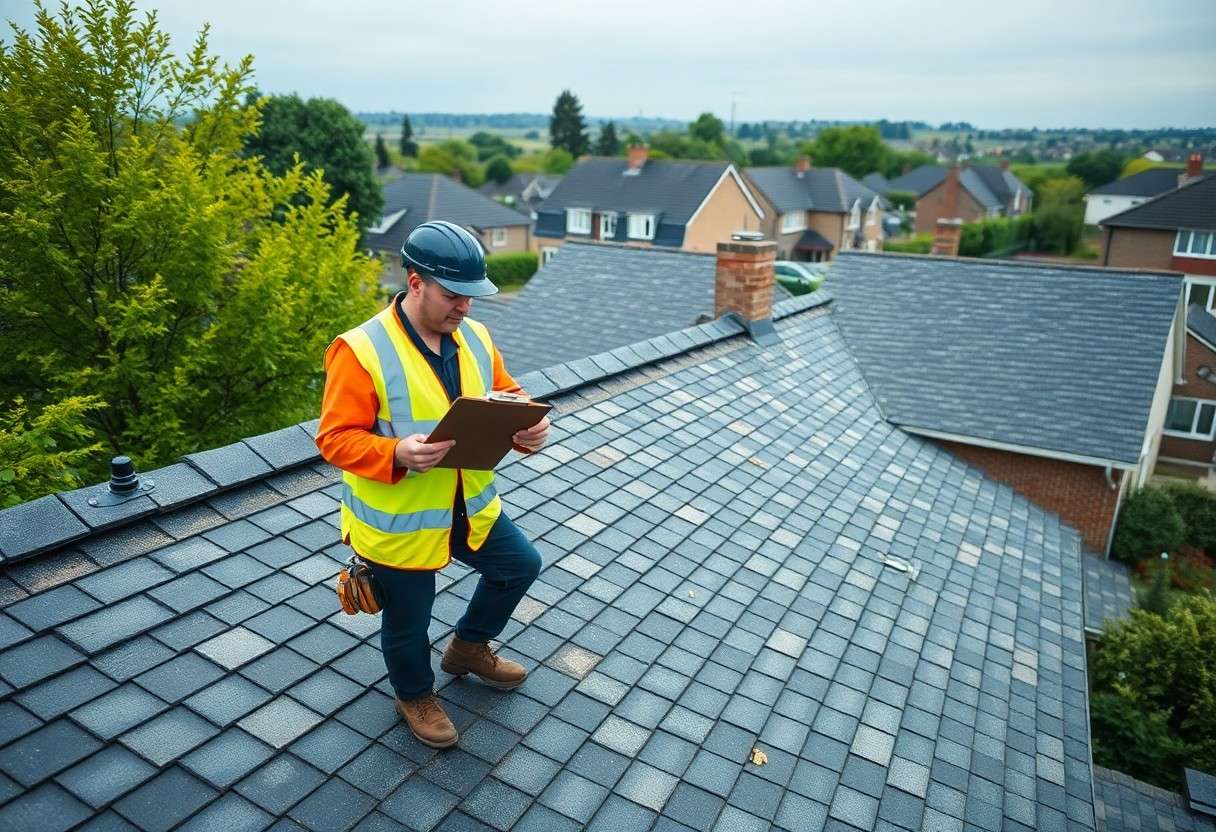
As a homeowner in Cardiff, it is your responsibility to ensure that your roof withstands the local climate. Regular inspections and timely repairs are vital to prevent more significant issues from arising. Taking proactive measures not only safeguards your investment but also extends the lifespan of your roof, thus maintaining your property’s value.
Routine Maintenance Practices
Implementing routine maintenance practices, such as clearing gutters and inspecting for damage, is important for the longevity of your roof. Regularly checking for moss or algae growth and addressing leaks promptly can prevent more serious problems from developing, keeping your roof in optimal condition against Cardiff’s weather challenges.
When to Seek Professional Help
Some roofing issues require expert attention. You should seek professional help if you identify significant leaks, extensive damage, or structural concerns. Complicated repairs may pose safety risks, making professional assessment necessary to ensure a thorough and secure resolution.
When considering professional help, it’s wise to consult certified roofing contractors who can provide a detailed inspection which includes checking for hidden damages. They can evaluate the overall condition of your roof and recommend necessary repairs that might not be immediately apparent to the untrained eye. With their expertise, you can ensure that critical issues are addressed before they escalate into costly repairs or replacements.
To wrap up
The impact of Cardiff’s climate on your roof can be significant, affecting its longevity and performance. By understanding the local weather patterns and implementing necessary maintenance and upgrades, you can protect your investment and ensure your roof withstands the elements. Regular inspections, timely repairs, and suitable materials tailored to local conditions will enhance your roof’s durability. Taking proactive steps will not only extend its lifespan but also improve energy efficiency, ultimately benefitting your home and reducing long-term costs.
FAQ
Q: How does the climate in Cardiff specifically affect roofs?
A: Cardiff’s climate includes a mix of wet and windy conditions, which can lead to increased wear on roofing materials. The frequent rainfall can cause water pooling and potential leaks, while strong winds may dislodge tiles or slates. Additionally, the dampness can promote algae or moss growth, further damaging the roof structure over time.
Q: What are the best materials for roofs in Cardiff’s climate?
A: For Cardiff’s weather, durable materials such as slate and heavy-duty tiles are recommended as they can withstand the wet conditions and high winds. Additionally, metal roofing is becoming popular due to its resistance to rust and hail damage. Proper ventilation and waterproof membranes are also important to prolong the life of any roofing material in this environment.
Q: What maintenance practices can extend the lifespan of roofs in Cardiff?
A: Regular inspections and maintenance are vital. Homeowners should clear gutters and downspouts of debris to prevent blockages that could lead to water damage. It’s also advisable to check for loose or missing tiles, reseal flashing, and treat any signs of moss or algae. Scheduling professional inspections at least once a year can help identify potential issues before they escalate.