

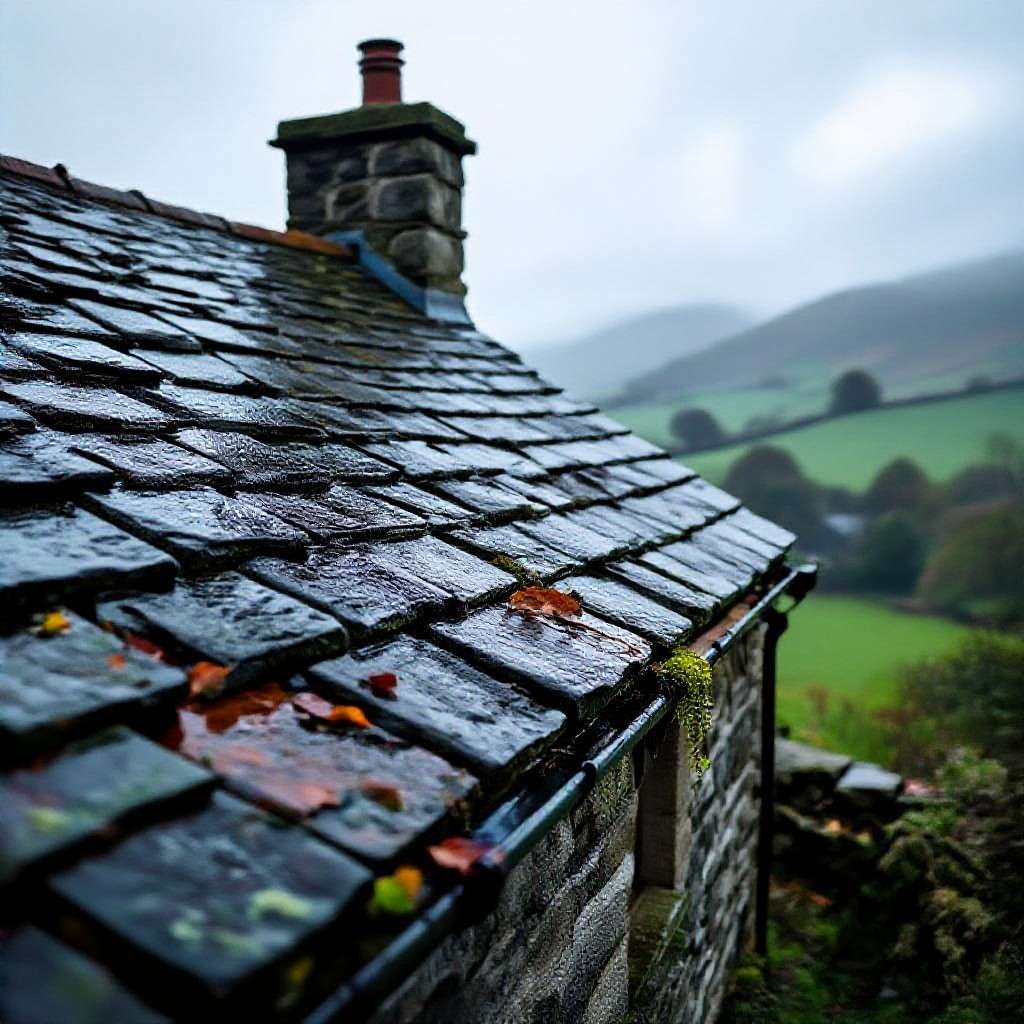
Over time, the unique weather in the Welsh Valleys takes its toll on your roof. You need to recognise the indicators that your roof is struggling against the persistent rain, wind, and temperature shifts. Protecting your home means understanding when an upgrade is necessary.
The Unique Challenges of the Welsh Valleys’ Microclimate
Understanding your roof’s enemy begins with appreciating the distinct atmospheric conditions found here. The Valleys present a complex interplay of geography and weather patterns, creating a microclimate that tests even the most resilient roofing materials.
These specific environmental factors mean your roof faces a relentless assault, far more intense than properties in less exposed regions. You need to consider how these elements combine to accelerate wear and tear.
High Annual Rainfall and Moisture Retention
Your property experiences significantly higher rainfall totals compared to many other UK areas. This persistent wetness means your roof is almost constantly exposed to water.
Many roofs struggle to dry out fully between downpours, leading to prolonged moisture retention. You’ll find this encourages moss, algae, and eventually, rot in timber elements.
Gale-Force Winds and Structural Stress
The funnel-like geography of the Valleys intensifies wind speeds, turning ordinary breezes into powerful gales. These winds exert immense pressure on your roof’s structure and fixings.
You’ll notice loosened tiles or slates, and compromised flashing are common consequences. This continuous buffeting can lead to significant structural stress over time.
Gusts can tear at individual components, dislodging tiles, lifting felt, and weakening the integrity of your chimney stack. This relentless mechanical stress, combined with the saturation from rainfall, creates a scenario where minor weaknesses can rapidly escalate into major repair issues, compromising your home’s thermal efficiency and watertight seal.
Visible Structural Shifts: Dislodged Slates and Sagging
You might notice distinct changes in your roof’s appearance after years battling the Valleys’ weather. These visible alterations often signal underlying issues that demand your attention.
Such shifts compromise your home’s protection and can lead to more extensive damage if left unaddressed.
Identifying Slipped or Missing Natural Slates
Observe your roof from the ground; are slates out of alignment? Strong winds and persistent rain can dislodge individual slates, creating gaps.
A missing slate leaves your underlayment exposed, inviting water ingress and further damage.
Recognizing Roofline Deflection and Timber Fatigue
Inspect your roofline; does it appear straight and level? A noticeable dip or sag suggests timber fatigue within the roof structure.
This deflection often indicates that the supporting timbers are weakening under the constant strain of weather and age.
The structural integrity of your roof depends on sound timberwork. When timbers show signs of fatigue, they can no longer adequately support the weight of the slates and the stresses from wind and rain. This weakening can lead to the entire roof structure failing over time, creating significant repair costs and safety concerns for your property.
Internal Warning Signs: Moisture Infiltration and Damp
You might notice subtle indicators within your home that point to roof issues. These internal warnings often manifest as moisture or dampness, suggesting water is breaching your protective layer.
Such signs demand immediate attention, as unchecked water ingress can lead to far more extensive and costly damage to your property’s structure and interior.
Detecting Ceiling Staining and Attic Mold Growth
Look closely at your ceilings for any discoloured patches or rings. These stains are tell-tale signs of water seeping through your roof and into your home’s upper levels.
Perhaps you have an attic; inspect this space for any fuzzy or patchy growths. Mold thrives in damp conditions, indicating persistent moisture problems originating from above.
The Risks of Compromised Underlayment
Your roof’s underlayment, hidden beneath your tiles, acts as a critical secondary barrier against water. If this layer becomes damaged, even minor leaks can quickly escalate.
Water penetrating a compromised underlayment can bypass your primary roof covering, leading to direct internal water damage and accelerated deterioration of your home’s structure.
A weakened underlayment allows water to pool and sit against your roof decking, creating an ideal environment for rot and further structural damage. You could face expensive repairs if the problem isn’t addressed promptly, potentially requiring extensive timber replacement and a complete re-roofing project.
External Accumulation: Gutter Debris and Erosion
Observe your gutters for signs of blockages. Leaves, moss, and general detritus accumulate rapidly in the Valleys’ damp climate, impeding water flow and causing overflow. This constant moisture against your roofline accelerates wear.
You might notice plants growing from your gutters, indicating a long-term build-up. Neglecting these issues can lead to fascia and soffit damage, compromising your roof’s integrity.
Analyzing Granule Loss and Slate Fragments
Tiny granules in your downpipes signal shingle degradation. These protective layers erode over time, leaving your roof vulnerable to the elements. You should regularly inspect for this tell-tale sign.
Small slate fragments around your property also indicate damage. The Valleys’ wind and rain can dislodge pieces, exposing underlayment and inviting leaks into your home.
The Impact of Blocked Drainage Systems
Water pooling near your foundations is a serious issue. Blocked downpipes direct rainwater incorrectly, saturating the ground around your home and potentially causing structural problems.
Your property’s exterior walls can also suffer. Persistent dampness from overflowing gutters encourages mould and algae growth, detracting from your home’s appearance and potentially damaging brickwork.
Water pooling near your property’s foundations, often a direct result of blocked drainage, can lead to significant issues beyond superficial damage. This excess moisture can compromise the structural integrity of your home’s foundation over time, potentially causing cracks in walls and uneven flooring. Furthermore, saturated ground around your house can allow water to seep into your basement or crawl spaces, creating damp conditions that encourage mould and mildew growth, impacting indoor air quality and potentially damaging stored items.
Thermal Performance: Inconsistent Indoor Temperatures
You will notice your heating system constantly battling to maintain a comfortable temperature. This struggle suggests your roof is failing to provide adequate thermal insulation against the Valleys’ changeable weather.
Your energy bills will likely reflect this inefficiency, as you spend more to heat a home that remains stubbornly cool in places.
| Understanding Thermal Performance Issues | |
|---|---|
Heat Loss Patterns During Winter Months | You may feel cold spots near walls or ceilings, indicating where heat is escaping. Warm air rises and escapes through an inadequately insulated roof, leaving your living spaces chilly. Your heating system works harder to compensate for this constant heat loss. This leads to higher energy consumption and a less comfortable home environment. |
The Role of Modern Welsh-Proof Insulation | Upgrading your roof with modern insulation creates a strong thermal barrier. This prevents heat from escaping during colder periods, keeping your home warmer for longer. You will experience consistent indoor temperatures, reducing the need for continuous heating adjustments. This significantly lowers your household energy bills. |
Modern Welsh-proof insulation systems are specifically designed to withstand the unique climatic challenges of the Valleys. These advanced materials, often incorporating reflective layers and high-density fibres, minimise thermal bridging and air leakage. You will find these solutions not only enhance your home’s energy efficiency but also contribute to a quieter indoor environment by dampening external noise.
Material Longevity: Assessing the Age Factor
Your roof’s age plays a significant role in its resilience against the Valleys’ challenging climate. Even well-maintained roofs have a finite lifespan, and older materials simply cannot offer the same protection as modern alternatives.
Consider the cumulative effect of decades of rain, wind, and temperature fluctuations. These elements degrade materials over time, reducing their effectiveness and increasing your property’s vulnerability.
Lifespan Expectations for Traditional Roofing
Slate roofs, while renowned for their durability, typically last between 75 and 100 years. Felt or asphalt shingles often require replacement after 20 to 30 years, depending on quality and weather exposure.
You can gauge your roof’s remaining lifespan by knowing its installation date and the materials used. This information helps you anticipate future maintenance or replacement needs.
When Repairs No Longer Offer Value
Repeated patching and minor repairs become increasingly inefficient as your roof ages. You might find yourself spending more on frequent fixes than the cost of a complete upgrade.
A series of small leaks or recurring issues across different sections often signal widespread material fatigue. This indicates an underlying systemic problem rather than isolated damage.
You should calculate the cumulative cost of ongoing repairs over a few years. If this figure approaches a substantial percentage of a new roof installation, then investing in a Welsh-proof upgrade becomes a far more economical and sensible long-term solution, offering superior protection and peace of mind.
Summing up
To wrap up, your roof faces a constant battle against the Valleys’ weather. You must recognise the tell-tale signs of wear and tear caused by persistent rain, strong winds, and fluctuating temperatures. Ignoring these indicators can lead to more extensive damage and costly repairs down the line, compromising the safety and comfort of your home.
You need to consider a Welsh-proof upgrade for your roof. Investing in higher quality materials and professional installation provides long-term protection against the elements. This proactive approach safeguards your property, giving you peace of mind throughout the year.